作品简述
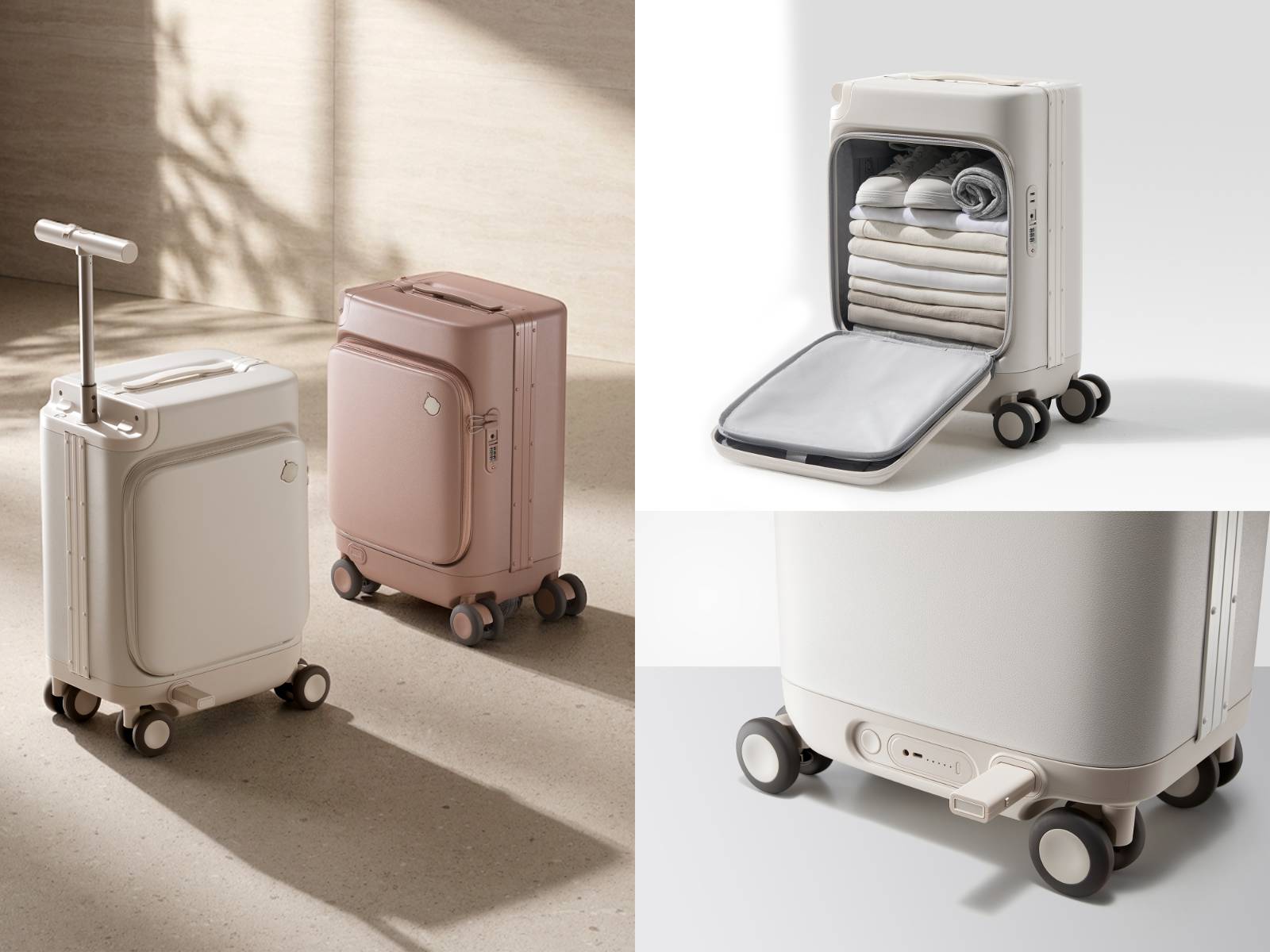
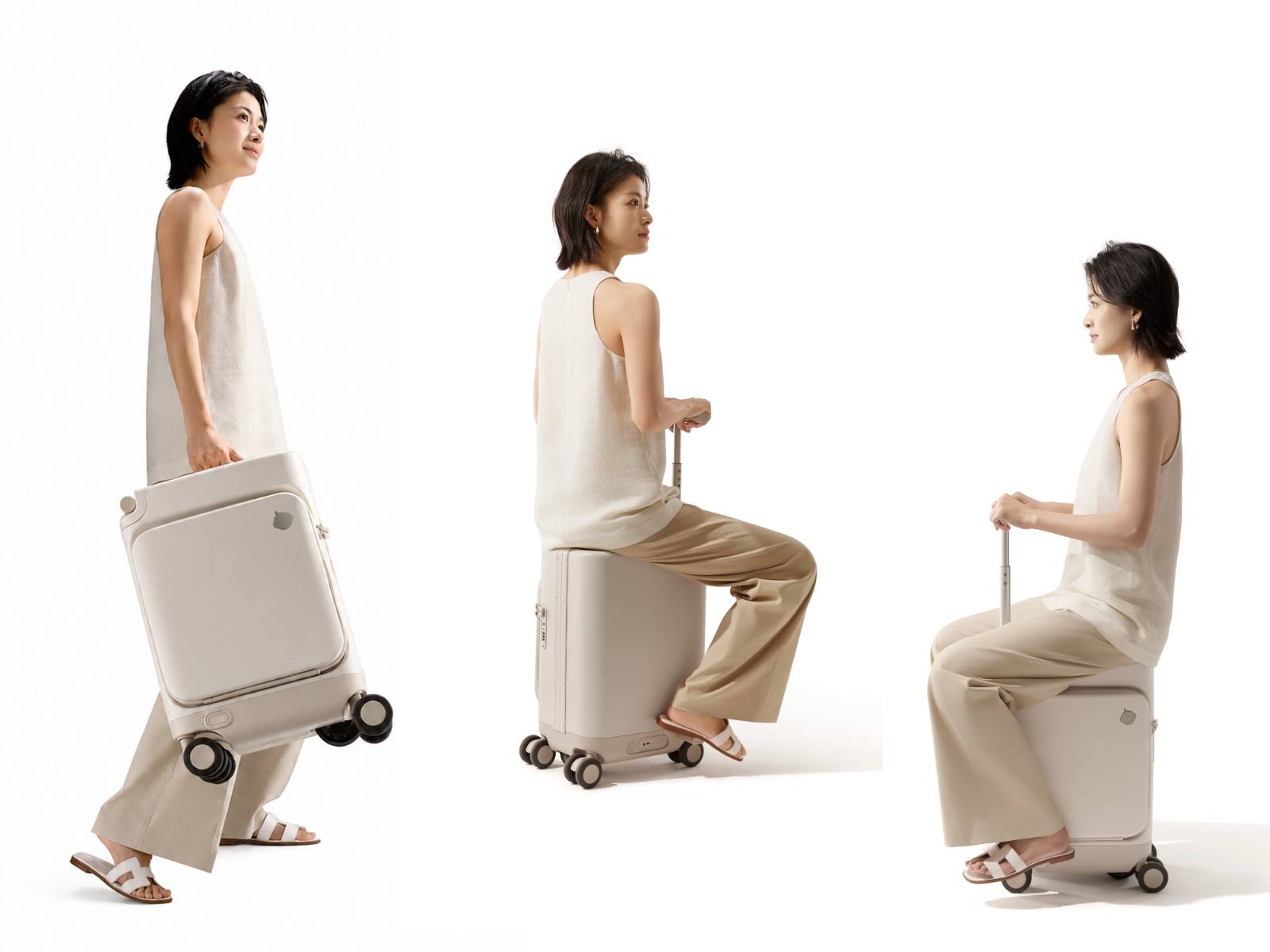
Babycare Fly是一款面向现代出行场景的智能电动行李箱,针对机场与高铁站步行距离持续扩大的痛点,以行业首创的五轮底盘系统打破传统三轮与四轮设计的稳定性瓶颈。产品通过双前轮加三后轮的几何布局,配合低重心车身与双重防倾保护机制,从根本上消除高速骑乘时的飘逸与过弯侧倾隐患,实现110公斤承重下的汽车级稳定体验。同时,5.7公斤的自重为同级最轻,PC与铝合金复合箱体支持单手提起与机舱行李舱收纳。骑乘、拖行、拎提三种模式可无缝切换,搭配可拆卸电池与双速智能动力系统,覆盖从安检口到登机口的完整最后一公里移动需求,为商务旅客与亲子家庭提供省力且安全的出行解决方案。
用户价值
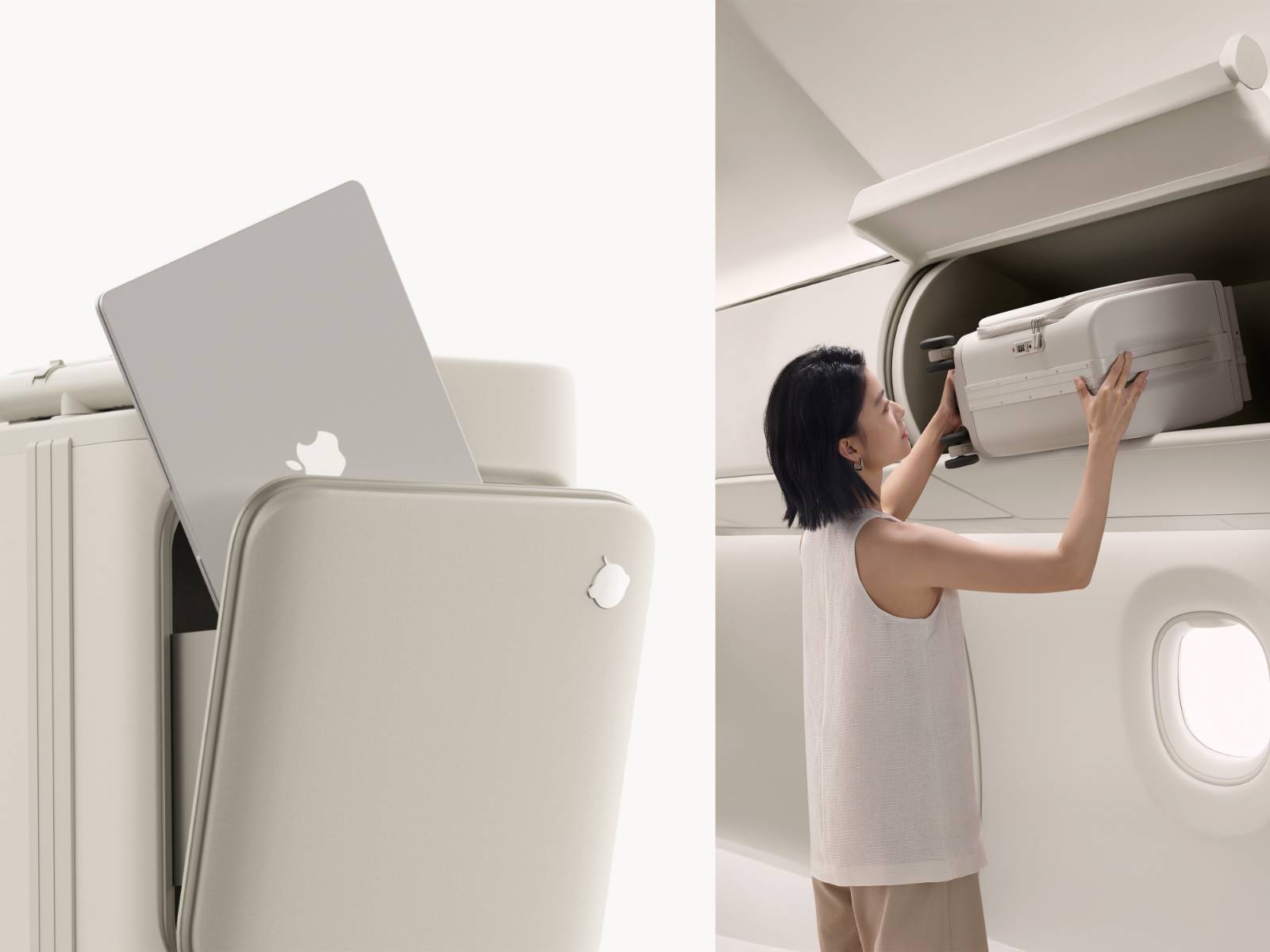
本项目在功能创新与用户体验层面进行了深度思考。功能上,行业首创的五轮底盘与双速动力系统(5km/h低速/10km/h高速)解决了传统电动行李箱"快而不稳"的核心痛点,通过加宽轮距与低重心设计实现防翻滚与防后仰双重保护,让用户在开阔航站楼或拥挤月台均能安心骑乘。交互上,手柄按键一键切换速度与模式,可拆卸电池设计兼顾航空安检合规与续航灵活性。情感层面,5.7公斤的超轻体量与优雅的比例造型消除了用户对"笨重智能设备"的刻板印象,女性用户亦可单手拎提,轻松放入头顶行李舱,从体力负担到心理负担均得到释放,使出行从"忍受移动"转变为"从容移动"。
商业表现
产品上市后切入快速增长的智能出行细分市场。中国行李箱市场规模超500亿元人民币,智能出行品类年增长率超20%,电动行李箱作为新兴细分品类渗透率尚不足1%,正处于爆发前夜。Babycare Fly凭借五轮底盘的差异化技术壁垒与5.7公斤超轻的极致产品力,在母婴与亲子出行领域建立了鲜明的品牌认知,同时吸引商务旅客与年轻女性用户群体。产品通过主流电商平台上市,获得行业与媒体的广泛关注,其"稳定且轻便"的核心价值有效提升了品牌在智能出行领域的专业形象与传播声量,为后续产品线延伸奠定了市场基础。
社会影响
本项目推动了传统行李箱向智能移动载具的进化。一方面,五轮底盘技术的成功验证为行业提供了超越3/4轮方案的新路径,促使竞争焦点从单纯的"可骑乘"转向"安全骑乘",带动细分领域技术标准升级。另一方面,产品以超轻体量降低了智能行李箱的使用门槛,使其从猎奇型玩具转变为真正实用的出行工具,契合了亲子家庭与商务人群对省力移动辅助的普遍需求。在可持续发展层面,耐用的PC/ABS复合壳体与铝合金框架延长了产品生命周期,模块化可拆卸电池设计便于独立维护与更换,减少了整机淘汰带来的电子废弃物,体现了功能创新与环境责任并行的设计伦理。
团队组织
本项目由工业设计师、结构工程师、电子工程师与产品经理组成的核心团队全程主导。工业设计师负责产品定义、外观造型与人机交互优化,确保五轮布局与箱体比例的视觉平衡;结构工程师主导底盘几何计算、轮距优化与110公斤承重验证,完成从概念到量产结构的转化;电子工程师研发双速无刷电机控制系统与可拆卸电池管理模块,实现精准扭矩输出与航空级安全标准;产品经理统筹用户研究、竞品分析与上市策略,锚定亲子家庭与商务旅客的核心场景。此外,供应链团队在模具开发阶段介入,协助完成五轮底盘的精密制造与成本控制,确保创新概念的可量产性。
流程方法
本项目在流程管理上采用了"场景反推结构"的逆向开发逻辑。团队并未从现有电动行李箱的改良出发,而是深入上海浦东机场、高铁站等真实场景,记录旅客从安检口到登机口的完整动线与体力消耗节点,将"1至2公里疲惫拖行"和"高速骑乘时侧倾恐惧"定义为必须根除的痛点,再反向推导底盘几何、动力分配与箱体结构的最优解。
在工具方法层面,我们突破了传统箱包开发以外观优先的流程,引入了车辆工程的底盘仿真与路测体系。结构工程师在概念阶段即介入,通过力学计算确定双前轮与三后轮的最佳轮距与重心位置,随后以3D打印底盘配合真实电机进行机场实地路测,而非仅依赖实验室平整地面。这种"计算+实测"的交叉验证机制,使五轮防倾底盘在开发中期便锁定了110公斤承重与汽车级稳定性的目标。
Project Description
Babycare Fly is an intelligent electric suitcase addressing the pain point of expanding walking distances in modern airports and high-speed rail stations. Featuring the industry's first 5-wheel chassis, it eliminates high-speed drifting and cornering-lean hazards inherent in conventional 3/4-wheel designs. The proprietary dual-front triple-rear geometry, combined with a low center-of-gravity body, delivers car-like stability with a 110 kg load capacity. Weighing only 5.7 kg, it is the lightest in its class, allowing effortless one-hand lifting and overhead-bin storage. The seamlessly switchable triple-mode system—riding, towing, and carrying—paired with a removable battery and intelligent dual-speed power system, transforms exhausting last-mile travel into an efficient, safe mobility experience for business travelers and families.
User Value
This project demonstrates in-depth thinking in functional innovation and user experience. The self-developed 5-wheel chassis with dual anti-tip protection fundamentally resolves the "fast but unstable" dilemma of traditional electric suitcases, ensuring confident riding across open terminals and crowded platforms. The handlebar enables one-button speed switching, while the removable battery design balances aviation compliance with flexible range management. At merely 5.7 kg, the optimized PC/ABS-aluminum composite body challenges the stereotype of bulky smart devices, allowing female users to lift it effortlessly with one hand. This design transforms travel from an endurance task into a graceful experience, relieving both physical and psychological burdens.
Business Performance
Launched into China's rapidly growing smart mobility segment, Babycare Fly targets a market exceeding 50 billion RMB with over 20% annual growth. As an emerging sub-category with less than 1% current penetration, electric suitcases show explosive momentum. The product's differentiated 5-wheel technology barrier and class-leading 5.7 kg weight establish strong brand recognition in the parent-child travel sector while attracting business and young female users. Listed on major e-commerce platforms, it has garnered significant industry and media attention, enhancing the brand's professional image in smart mobility and laying the groundwork for future product line extensions.
Social Impact
This project accelerates the evolution of traditional luggage into intelligent mobility devices. The 5-wheel chassis validation provides the industry with a viable path beyond 3/4-wheel solutions, shifting competitive focus from "rideable" to "safely rideable" and elevating technical standards. By reducing the weight barrier, the product transforms electric suitcases from novelty toys into genuinely practical travel tools, meeting universal demand for effortless mobility among families and business travelers. In terms of sustainability, the durable PC/ABS shell and aluminum frame extend product lifespan, while the modular removable battery facilitates independent maintenance and replacement, reducing electronic waste and embodying a design ethic that balances functional innovation with environmental responsibility.
Team Structure
The core team comprised industrial designers, structural engineers, electronics engineers, and a product manager. Industrial designers led product definition, aesthetic form, and human-machine interaction optimization, ensuring visual harmony between the 5-wheel layout and body proportions. Structural engineers directed chassis geometry calculations, wheelbase optimization, and 110 kg load validation, translating concepts into mass-production-ready structures. Electronics engineers developed the dual-speed brushless motor control system and removable battery management module, achieving precise torque delivery and aviation-grade safety. The product manager coordinated user research, competitive analysis, and go-to-market strategy, anchoring the product in family and business travel scenarios. Supply chain partners joined during mold development, assisting in precision manufacturing and cost control to ensure the innovative concept's manufacturability.
Flow
The design process began with ethnographic research at major transportation hubs, identifying the 1–2 km last-mile gap and instability as critical pain points. Concept development involved extensive mechanical simulations to determine optimal wheel geometry, resulting in the dual-front triple-rear 5-wheel layout. The team faced the challenge of achieving 5.7 kg class-leading weight without compromising the 110 kg load capacity, requiring iterative material selection between PC/ABS composites and aluminum alloys. Multiple prototype cycles refined the low center-of-gravity body, battery placement, and motor integration. Validation included rigorous road testing at Shanghai Pudong Airport, where high-speed cornering and uneven surface trials informed refinements to the dual anti-tip system and dual-speed motor calibration. Supply chain partners joined during DFM stages to resolve precision manufacturing constraints, ensuring the innovative chassis concept achieved mass-production feasibility while maintaining safety and performance standards.






用户名
{{ item.email }} {{ moment(item.meta.createAt).format('YYYY-MM-DD HH:mm:ss') }}
回复:{{ item.mentioned }} {{ item.content }}
回复