作品简述
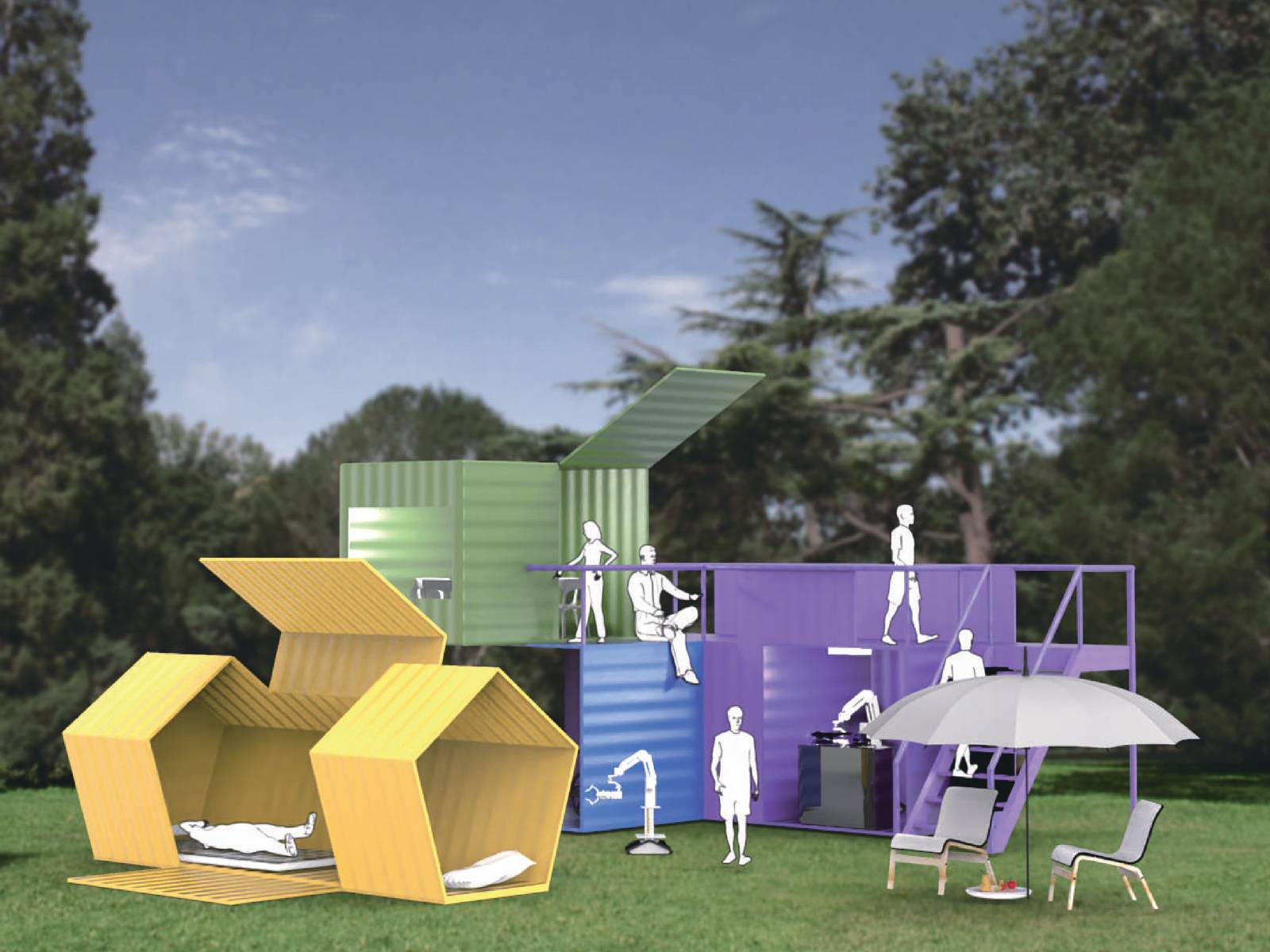
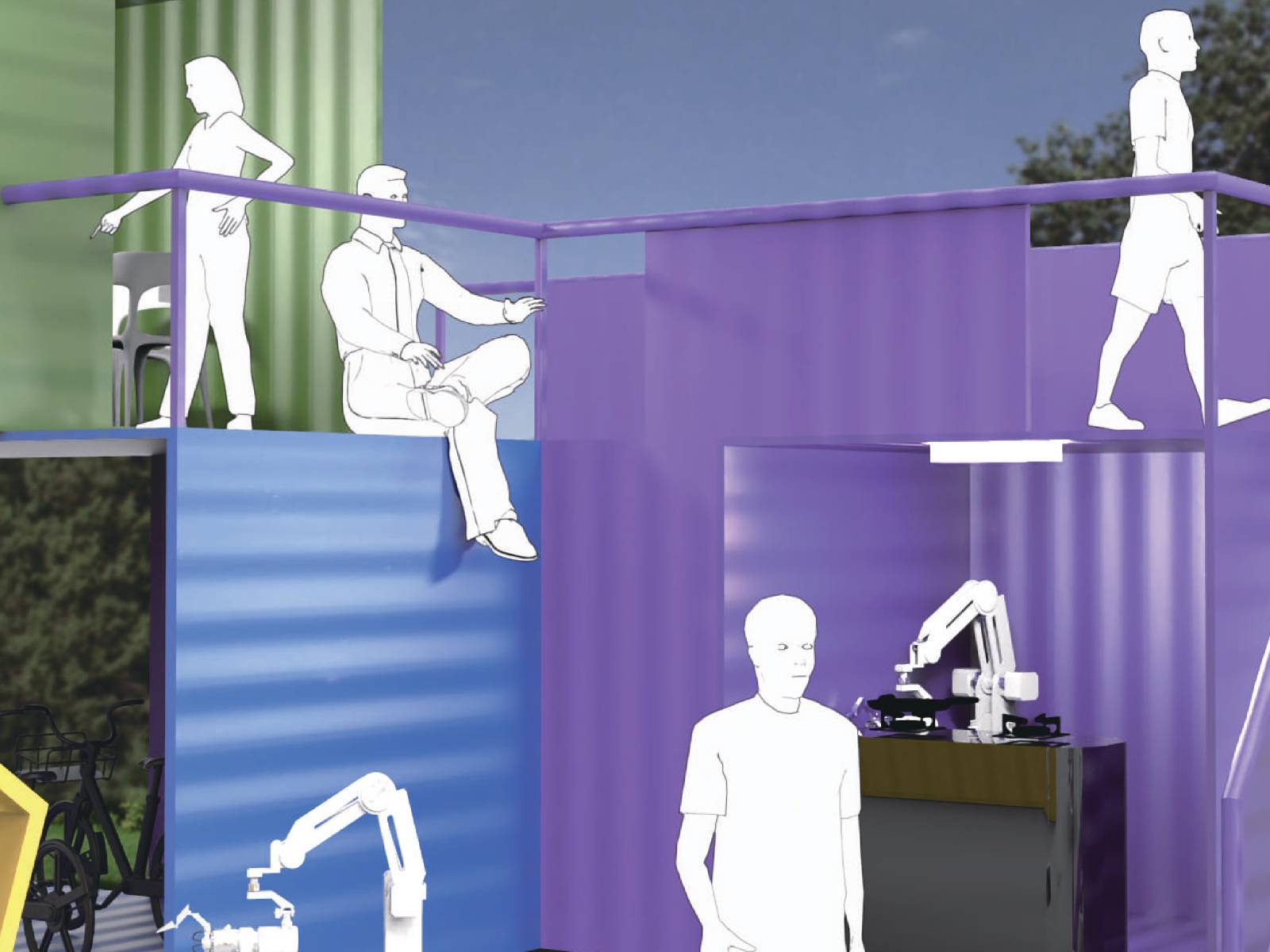
本项目以服务设计理论为基础,基于南京历史文化优势,针对南京历史文化特点,以提升当代文化发展质量为目标,探索新科技革命对于本土生活所带来的新经济业态、新生活方式、新运营模式,综合运用大数据、人工智能等信息技术对传统管理理念、模式、内容及手段进行升级改造。分析艺术学应对技术变革和产业革命面临的挑战,探索艺术与科技有机融合的新方向。本项目通过与对特定空间内闲置或角落区域进行重新规划与整合,打造一个与景区合作,基于大数据、人工智能技术,实现线上线下一体化深度体验的新型智慧餐厅。
用户价值
这个项目着重在用户体验上进行了深入思考,并做了从用户寻找餐厅到餐厅寻找用户的体验方式的改进;并且结合了线上和线下的体验,在客户端和餐厅均能享受到独特的乐趣。
商业表现
预计落地之后,项目品牌可通过IP形象传播热度;并且在与南京景区进行合作时,为餐厅和景区双方带来人气,使线上线下体验结合的智慧餐厅在将来的餐饮市场具有较高的占有率。
社会影响
保护和传承历史文化,促进当代文化发展:项目旨在提升当代文化发展质量,通过整合并升级传统管理理念、模式、内容和手段,推动南京当代文化的创新和繁荣。探索科技对生活的影响:项目通过探索新科技革命对本土生活带来的新经济业态、新生活方式和新运营模式,深入分析艺术学应对技术变革和产业革命所面临的挑战,推动艺术与科技的有机融合。可持续:该项目在规划和执行过程中,应注重环境保护,采取可持续的建设方式和能源利用策略,减少对环境的不良影响,并致力于生态恢复和资源保护。
团队组织
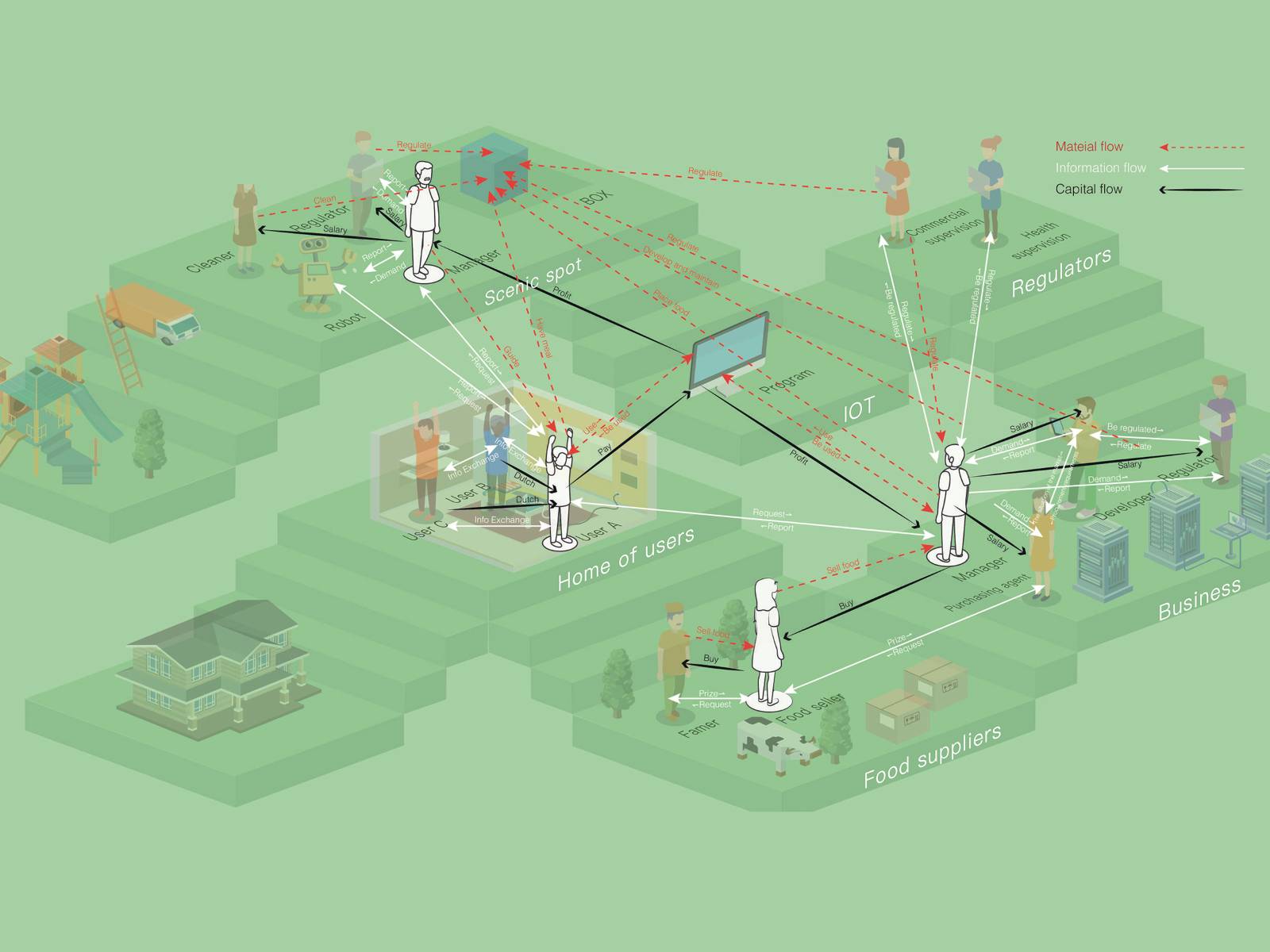
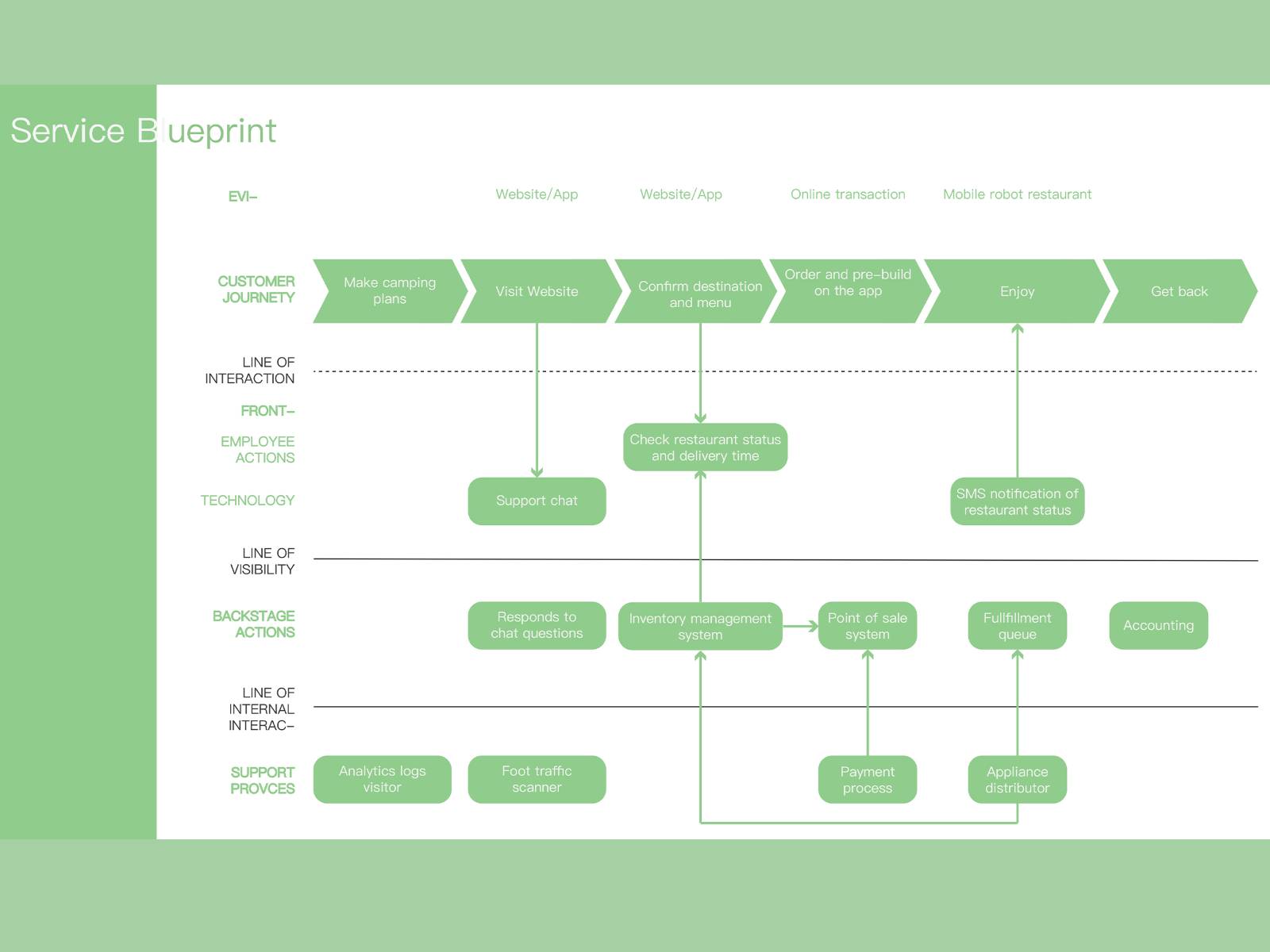
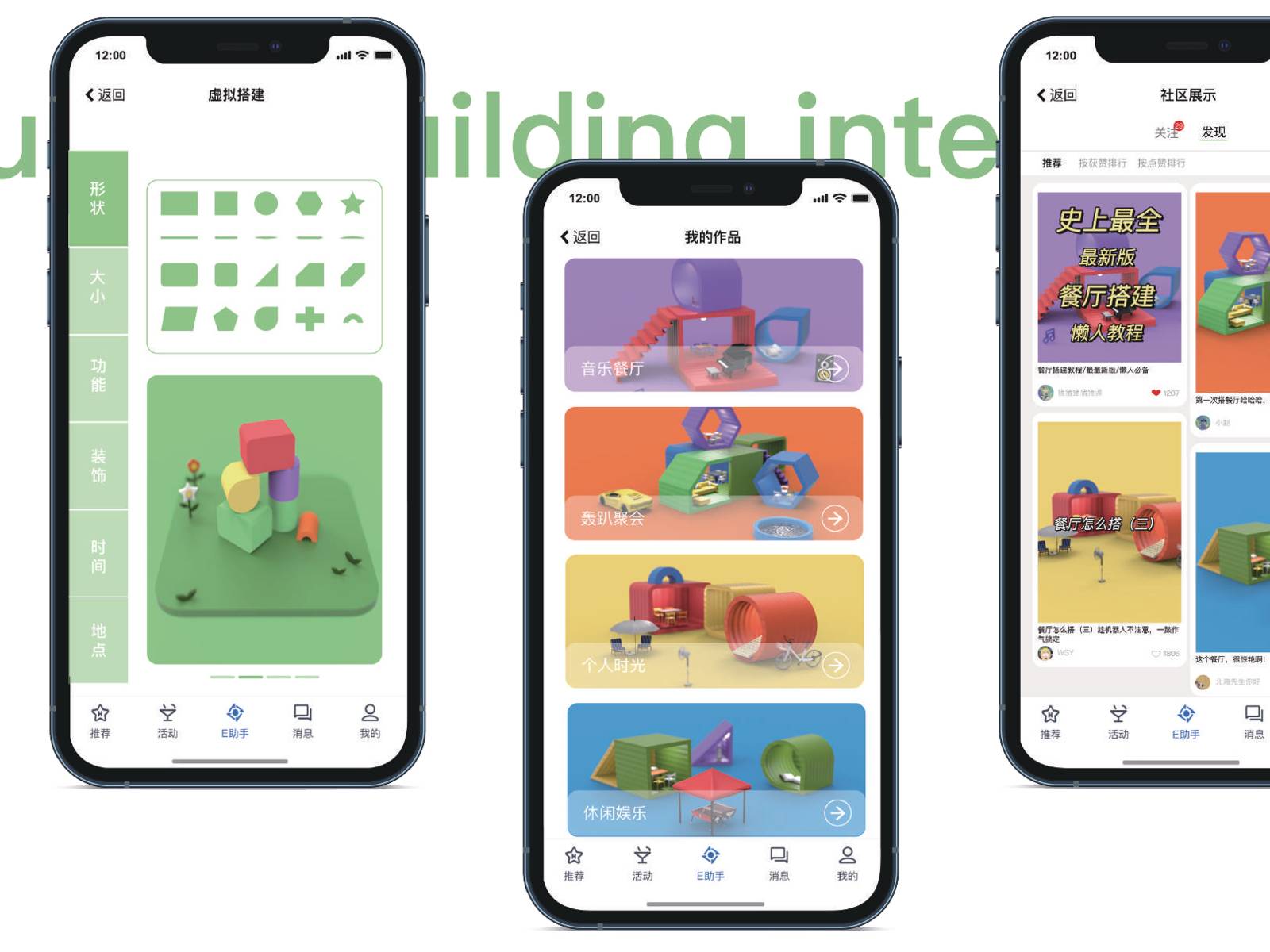
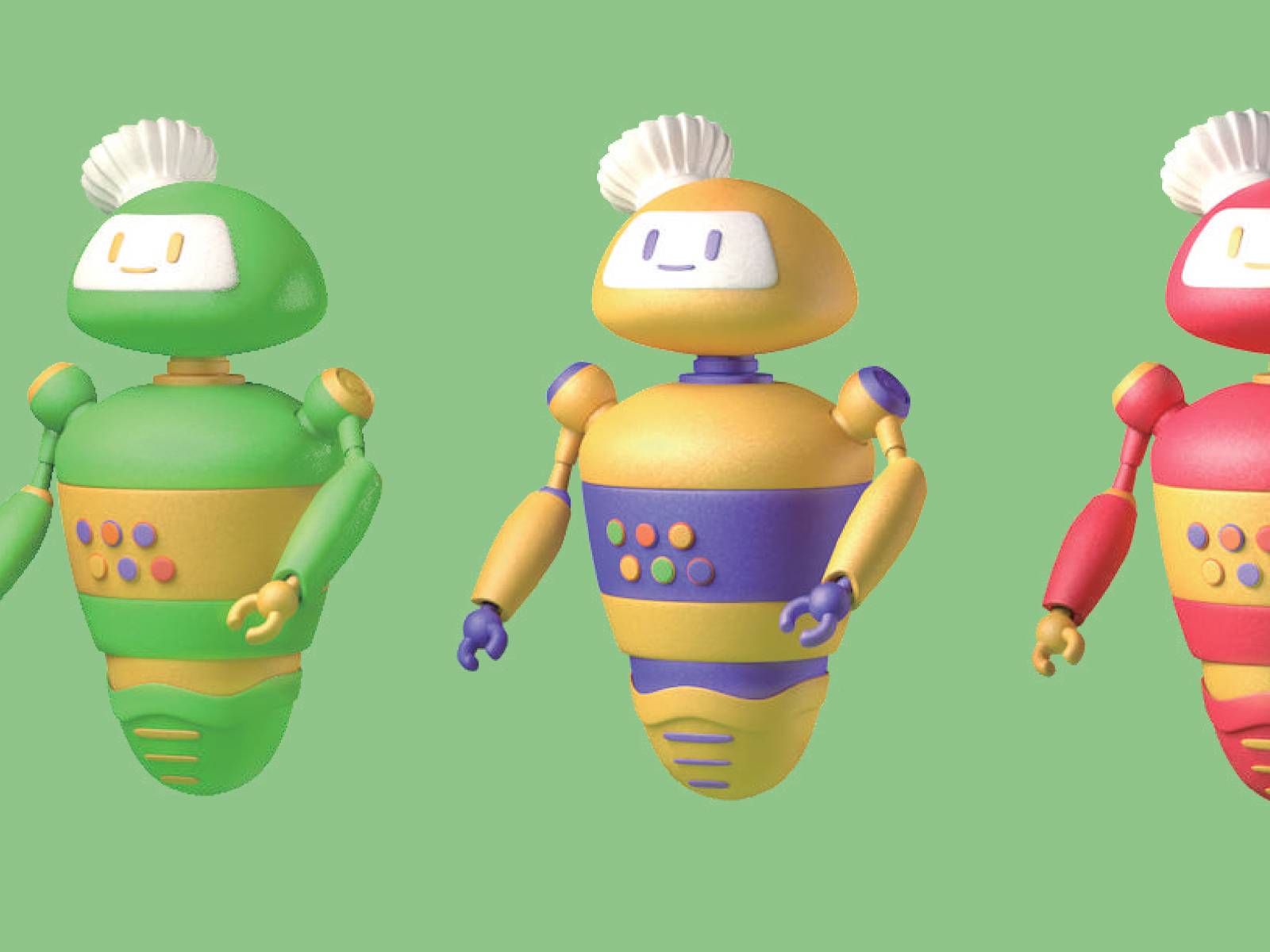
共有三位成员参与了本项目,分别是王思羽,闫怀宇,赵成龙。分别负责了市场与用户调研,竞品分析,服务设计工具(用户画像、用户旅程图、利益相关者地图、服务场景图、服务系统图、服务蓝图),3D建模渲染,UI界面设计,LOGO设计,IP形象设计。
流程方法
本项目的创新点在于将历史文化与人工智能信息技术相结合,探索了艺术与科技有机融合的新方向,结合了线上与线下的深度体验。本项目的主要流程为分析现有的竞品,研究与发现问题;确定设计目的和用户目标群体以及其需求;头脑风暴,合作分工进行界面设计、服务系统的设计以及场景设计等;持续改进,评估服务的表现,以适应用户需求和市场变化。
项目投入
该项目参与大学生创新创业训练计划项目,从立项到结题,经历了一年时间,其中设计部分使用了6个月的时间。
达成情况
项目的初心是为了弘扬南京传统文化的同时,拥抱人工智能和大数据等新兴技术,打造出具有新型体验的餐饮模式。最终的设计成果与目标基本一致。
Project Description
This project is based on the theory of service design, leveraging the historical and cultural advantages of Nanjing and targeting the specific characteristics of Nanjing's history and culture. Its goal is to enhance the quality of contemporary cultural development. It aims to explore the new economic formats, lifestyles, and operation models brought about by the new technological revolution in local life. It comprehensively utilizes information technologies such as big data and artificial intelligence to upgrade and transform traditional management concepts, models, content, and methods. It analyzes the challenges that art faces in response to technological and industrial revolutions and explores new directions for the organic integration of art and technology. This project involves re-planning and integrating specific idle or corner areas within a designated space to create a new smart restaurant that collaborates with scenic spots. It utilizes big data and artificial intelligence technologies to achieve an integrated and immersive experience both online and offline.
User Value
This project has placed great emphasis on user experience and has made improvements in the way users search for restaurants as well as how restaurants search for users. It incorporates both online and offline experiences, allowing customers to enjoy unique pleasures on both the client side and in the restaurant.
Business Performance
After landing, it is expected that the project brand can generate popularity through IP image promotion. Furthermore, by collaborating with scenic spots in Nanjing, it will bring popularity to both restaurants and scenic spots, thereby ensuring that the smart restaurant, which combines online and offline experiences, will have a high market share in the future catering industry.
Social Impact
Protecting and inheriting historical culture, promoting contemporary cultural development: The project aims to enhance the quality of contemporary cultural development by integrating and upgrading traditional management concepts, models, content, and methods, thus driving the innovation and prosperity of contemporary culture in Nanjing. Exploring the impact of technology on life: The project explores the new economic formats, lifestyles, and operational models brought about by the new technological revolution in local life. It deeply analyzes the challenges that art faces in response to technological and industrial revolutions, and promotes the organic integration of art and technology. Sustainability: In the planning and execution process of the project, it should focus on environmental protection, adopt sustainable construction methods and energy utilization strategies, reduce adverse impacts on the environment, and be committed to ecological restoration and resource conservation.
Team Structure
There are three members involved in this project. They are Wang Siyu, Yan Huaiyu, and Zhao Chenglong. They are respectively responsible for market and user research, competitor analysis, service design tools (user personas, user journey maps, stakeholder maps, service scenario maps, service system maps, service blueprint), 3D modeling and rendering, UI interface design, logo design, and IP design.
Flow
The innovation of this project lies in the combination of historical culture and artificial intelligence information technology, exploring a new direction for the organic integration of art and technology, and incorporating a deep experience both online and offline. The main process of this project involves analyzing existing competitors, researching and identifying problems, determining design objectives and user target groups along with their needs, brainstorming and collaborating to design interfaces, service systems, and scenario designs, among others. It also includes continuous improvement and evaluating the performance of services to adapt to user needs and market changes.
Project Investment
The project participated in the College Students' Innovative Entrepreneurial Training Plan Program and took one year from project initiation to completion, with the design phase taking six months.
Project Achievements
The original intention of the project was to promote traditional Nanjing culture while embracing emerging technologies such as artificial intelligence and big data, creating a new and experiential dining model. The final design outcome aligned closely with the purpose.



用户名
{{ item.email }} {{ moment(item.meta.createAt).format('YYYY-MM-DD HH:mm:ss') }}
回复:{{ item.mentioned }} {{ item.content }}
回复