作品简述
为了有效连接数量庞大的造口伤口患者和稀缺的造口伤口专业人才,本项目从医院临床实际出发,从造口伤口患者入院开始介入,利用服务设计的思维和方法,构建造口伤口患者区域协同照护平台,深度对接造口伤口患者及家属的照护需求和造口伤口治疗师的护理服务诉求,并将造口伤口患者住院阶段的临床护理,延伸至出院后的居家自我护理和社区协同护理,贯穿造口伤口患者的全病程管理和整个生命周期。
用户价值
满足广大基层造口伤口患者的照护需要,使其及时得到专业照护,减少并发症的发生、提高生活质量;解决造口伤口人群因居住偏远地区而无人照护、无法出门就诊的难题;
通过数字化造口伤口患者护理计划,为造口伤口专业人才提供便捷协同照护工具,改善造口伤口患者护理模式的同时,提升专科护士的职业价值。
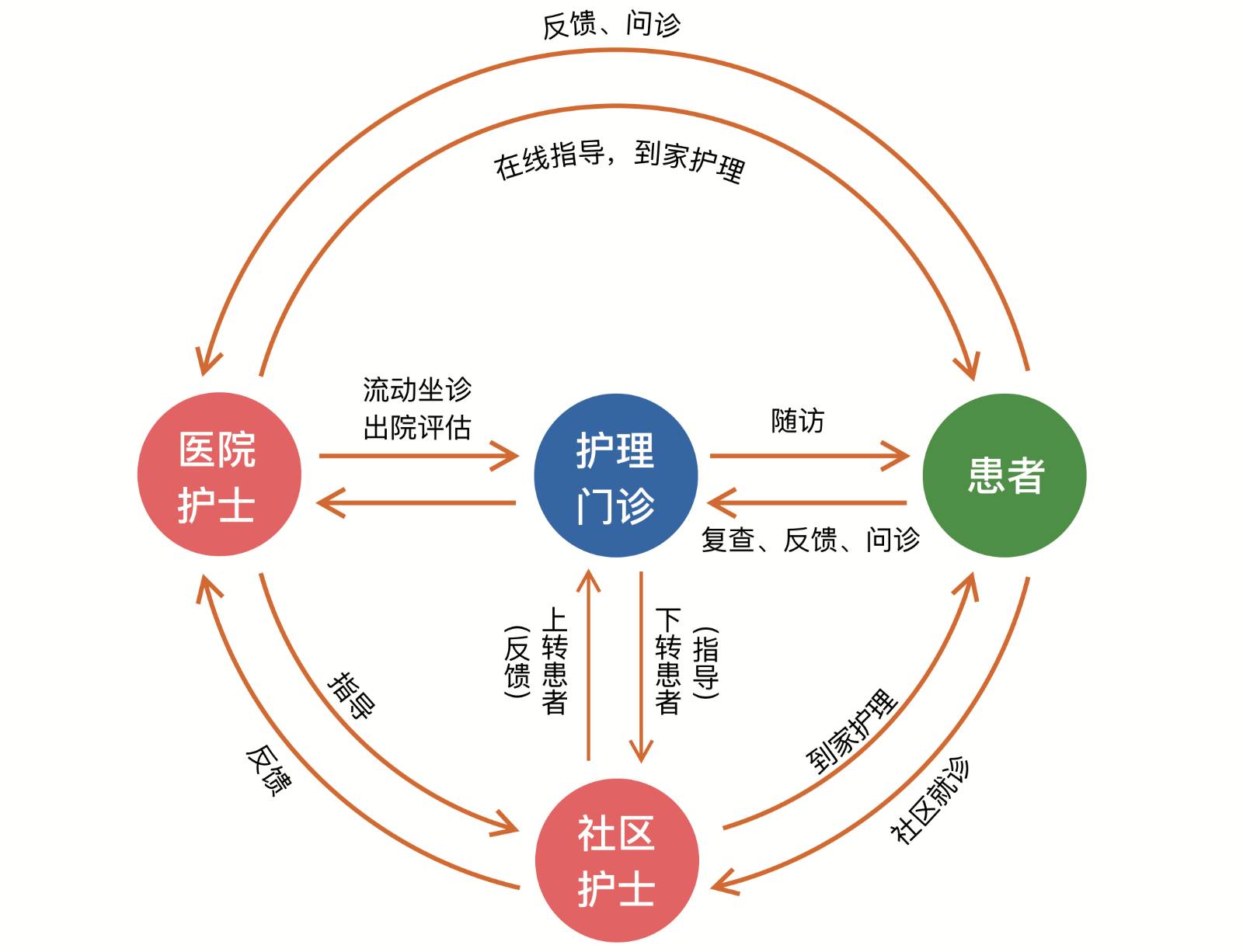
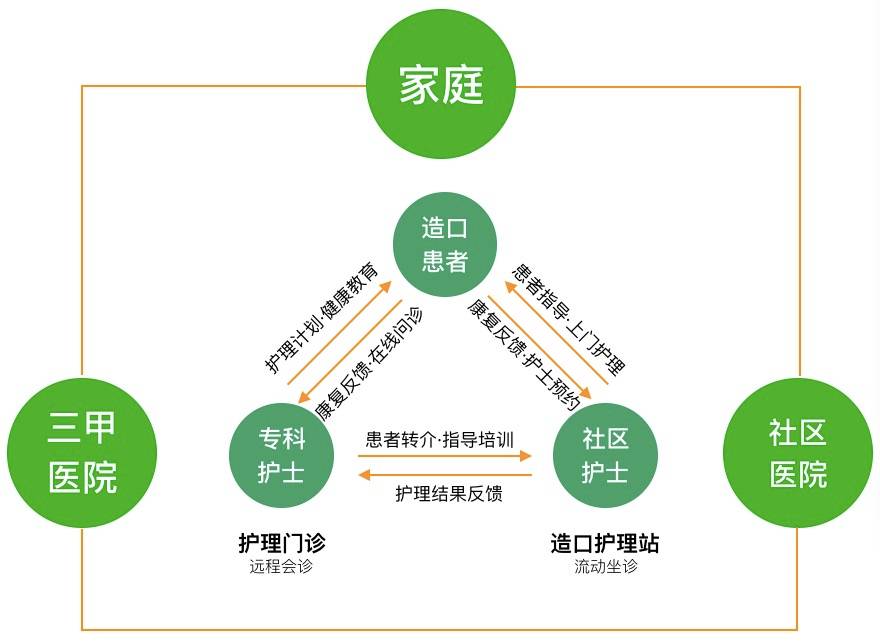
在功能上,最大的特色是护理计划驱动的护患交互,基本上实现了随访护士指导患者居家自我护理。患者使用微信扫一扫随访护士二维码自助建档+护士在线完善,形成患者数字化档案;随访护士在患者出院时给予出院评估、制定随访计划和推送宣教;患者使用微信小程序执行每日护理活动并反馈结果,查看随访护士推送的宣教,提交不适反馈、伤口反馈、血糖血压监测值等生命体征数据,系统提前三天提醒患者到院复查及注意事项;随访护士在线全程跟踪出院患者的病情变化。
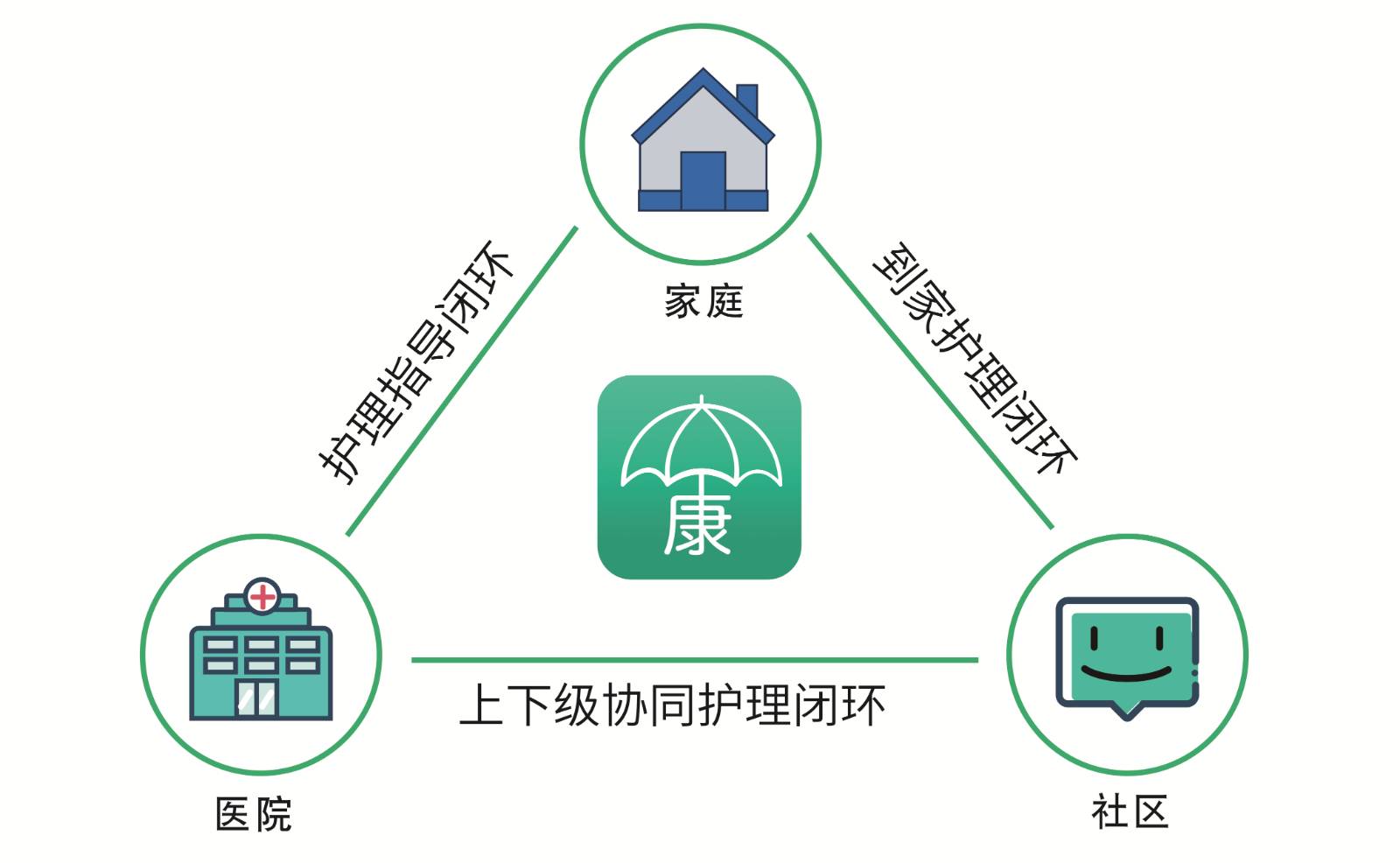
在护理模式和服务流程上,通过医院随访护士指导社区护士,实现了上下级医院协同护理闭环。出院患者到社区就诊时,向社区护士出示自己二维码,社区护士使用随访小程序扫一扫进行接诊,同时经上级医院授权可获取该患者数字档案,包括上级医院随访护士为患者制定的随访计划、护理评估、护理记录和随访记录等;社区护士为患者护理所提交的护理记录,也会同步给到上级医院护士进行查看,以及进一步的指导。
在情感连接上,随访护士在患者住院阶段就开始介入,为其推送术前宣教、术后宣教、饮食宣教、用药宣教、康复锻炼等宣教知识,患者使用微信查看图文并茂、视频多媒体形式的健康宣教内容,在患者住院阶段,就让患者积极参与并养成主动学习护理知识的习惯;在患者出院时,随访护士为其推送对应的出院宣教、居家自我护理技能知识,持续为出院患者提供健康指导,让患者全程感受到“被服务的”个性化体验。
这个项目着重在功能创新、护理模式、服务流程、情感连接和网络效应等方面进行了深入地调研和思考,构建了造口伤口患者区域协同照护模式,形成线上线下相结合的服务流程,为造口伤口人群提供有温度的全程照护服务、全方位改善造口伤口患者的身心健康,同时网聚湖南省内外造口治疗师资源,精准匹配照护需求和护理服务。
商业表现
本项目在2018年9月18日发布后,首先在湖南省衡阳市南华大学附属第一医院胃肠外二科试点,半年内逐步在胃肠外一科、泌尿外一科、泌尿外二科、内分泌科,以及造口伤口门诊、PICC门诊和糖尿病足门诊上线使用,实现了临床病区和护理专科门诊协同护理造口伤口患者的服务闭环。
本项目于2018年11月6日,由南华附一牵头成立了“衡阳市伤口造口失禁专科护理联盟”,开展了医联体模式下慢性伤口的管理与实践研讨班;并在2019年10月8日,成功建成造口伤口区域协同照护平台,吸纳南华附一医联体内的各级医院入驻,可覆盖衡阳市及周边城市的造口伤口失禁患者群体的照护需要。
社会影响
本项目致力于解决造口伤口专业人才资源短缺与数量庞大的造口伤口患者照护需求不平衡的难题;网聚湖南省内外造口治疗师资源,构建伤口造口患者协同照护模式,提升专科护士的职业价值,同时为其他慢性病患者照护模式的建立提供借鉴。
我国有WOC即伤口、造口、失禁(Wound、Ostomy、Continence, WOC)护理需求的患者远远超过了ET造口治疗师(Enterostomal Therapists,ET)人数,全国目前仅有2000名国际造口治疗师,而我国肠造口患者已经超过100万例、并且每年以10万例的速度增长,需求比例失调、地域分布不均,多地区仍无相关专科护士。本项目建成造口伤口区域协同照护平台,能够充分、合理地发挥ET的多重角色作用,发挥三级医院专科护理技术优势,为患者提供连续性、全方位、个性化的专业指导,减轻其经济与身心压力,满足其对健康管理的需求,使我国的伤口造口失禁护理水平得以快速提升。
团队组织
本项目一共有12个人全职参与,本项目负责人张聪聪负责产品/业务规划、落地实施及商业化;意大利米兰理工大学PSSD研究生陈思蓓负责服务设计、用户研究和移动端原型设计;提灯医疗研发团队:周娜负责产品架构和产品设计,孙银龙负责随访小程序开发,周璐璐负责WEB前端开发,罗金涛负责系统后台开发,林素娥负责前期产品UI设计,欧阳汝婷负责后期产品UI设计;专科护理团队:南华大学附属第一医院护理部主任欧玉兰是《造口伤口患者区域协同照护模式的构建》(以下简称造口伤口课题)课题负责人、胃肠外二科护士长傅叶是造口伤口课题执行人;
提灯公司创始人谭宗威负责与南华大学附属第一医院院领导和护理部主任沟通、启动本项目,公司产品部工程师曾峰晴、肖琳负责产品测试和上线准备,实施部工程师张敏协助医院现场实施。
外部的专家:意大利米兰理工大学教授Daniela Sangiorgi,在项目的用研、洞察、框架以及可持续发展方向上给予了充分的指导;南华大学护理专业的研究生张翰、廖茜在造口伤口课题可行性研究阶段参与桌面研究和文献检索与分析。
外部医院客户:南华大学附属第一医院共有8名护士长/专科护士作为调研对象和产品使用者,参与前期项目调研、后期落地实施、产品使用及反馈建议,她们分别是胃肠外二科专科护士赵莉,胃肠外一科护士长李丽、专科护士夏姣燕,泌尿外一科护士长俞芳,泌尿外二科护士长康慧玲护士长、专科护士黄玲芳,内分泌科专科护士姜老师,造口伤口门诊护士歆黎明,胃肠外二科的造口手术医生;以及5个衡阳市社区医院的医生和护士10余人。
流程方法
在项目流程中,我们将临床科研和服务设计深度结合,临床研究与用户研究双线并行;
首先,通过共同申报《造口伤口患者区域协同照护模式的构建》课题,深入了解我国造口行业供需现状、痛点以及造口专业知识和专科护理,将造口领域知识和护理流程数字化,构建造口伤口“三级协同护理”服务模型。
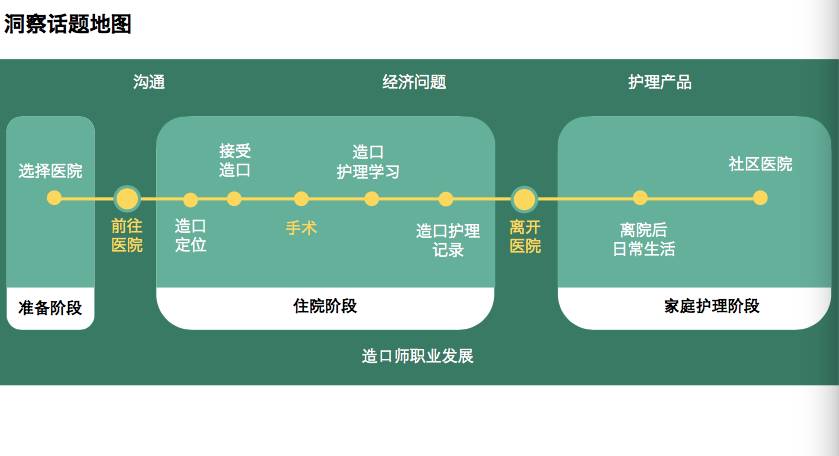
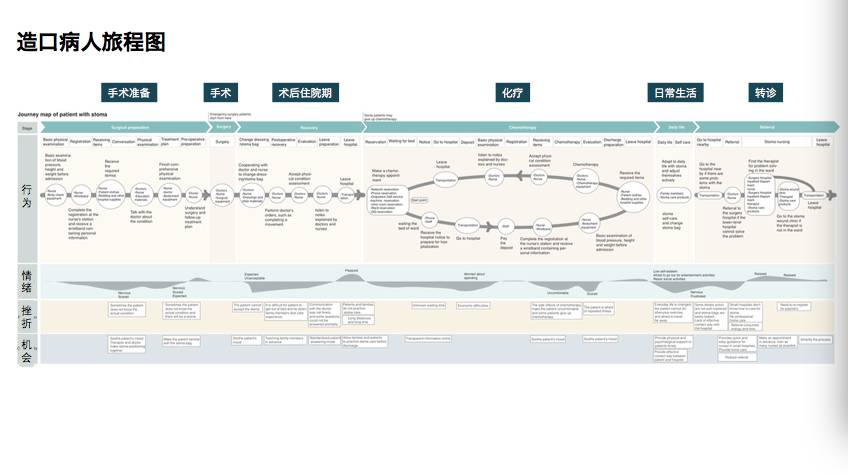
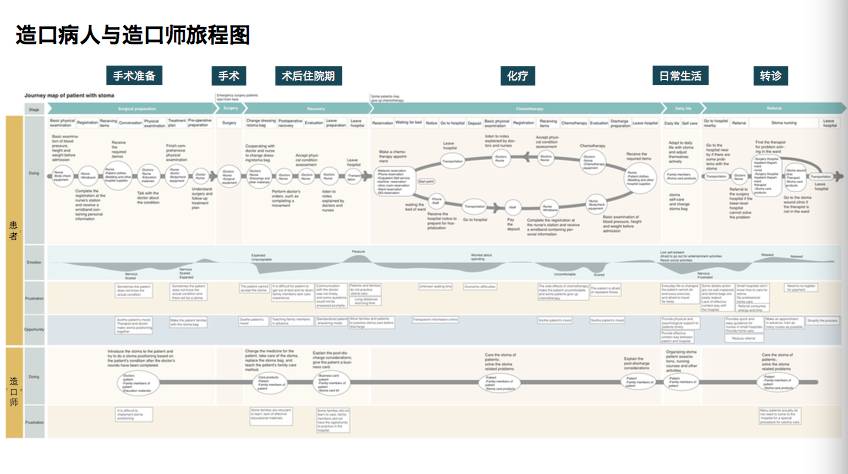
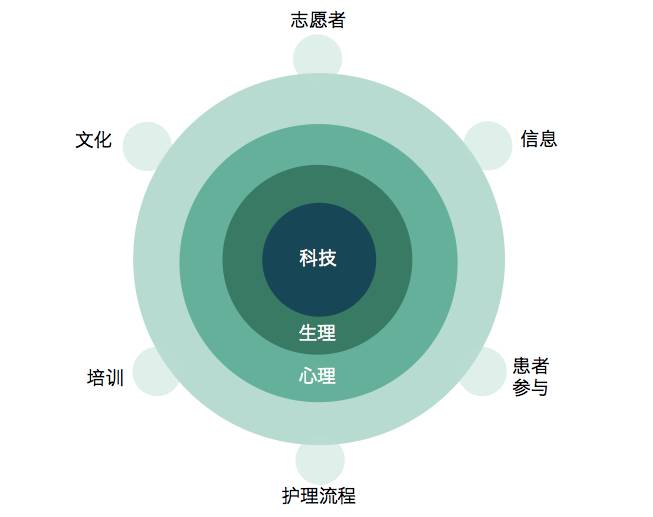
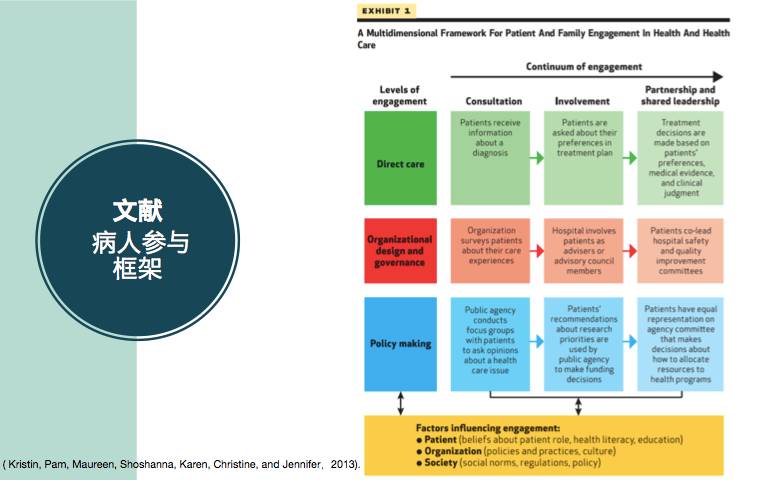
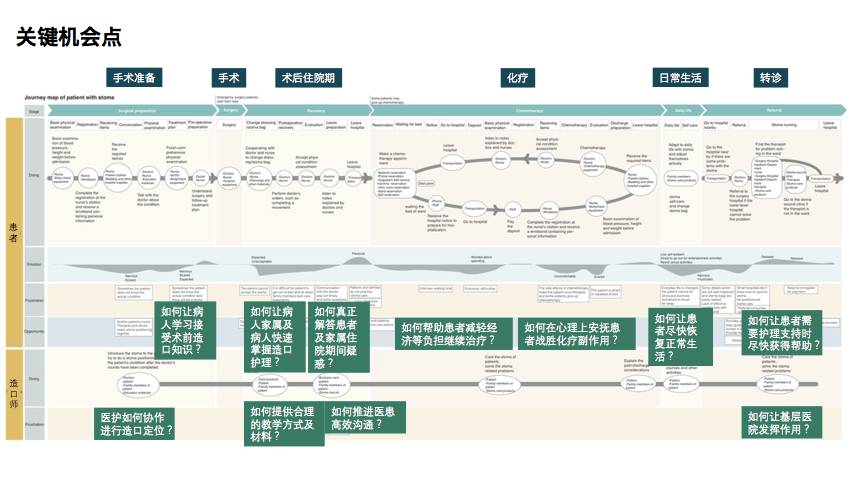
其次,通过医院临床和社区实际调研,采用用户研究(病人基础数据、访谈和观察)、洞察(话题地图、旅程地图和构建模型)和桌面研究(国内外文献和案例学习),出具《服务设计在造口伤口患者区域协同照护模式的构建中的应用》的调研报告,在意大利米兰理工大学教授Daniela Sangiorgi的指导下,确定6个服务设计方向:
信息传递:病情、经济补贴政策、保险政策、医患沟通、不同阶段不同的支持信息等,在需要的时刻以恰当的方式的传递给患者;
患者参与:让病人、病人家属等积极参与全过程;
护理流程:各级医院标准化的造口护理流程,病人及家属学习造口护理流程,转诊流程等;
培训:各级医院造口护理员工培养,医患沟通训练等;
文化观念:医生护士协作,医患沟通,医疗分诊制度等;
志愿者:分享经验帮助患者,连接医患等。
最后,采用领域驱动设计、微服务架构和容器技术落地服务设计方案,设计和研发不同客户端产品和造口随访管理系统。
项目投入
本项目于2017年9月立项,在2018年6月交付设计,从立项到设计交付,花费9个月;
本项目于2017年9月立项开始,进行技术架构,开发历程如下:
2018年9月,开发完成电脑客户端的随访管理系统V1.0;
2019年5月,开发完成医生端随访小程序“提灯医生”;
2019年7月,开发完成护士端随访小程序“提灯随访”和患者端小程序“提灯康康”;
2019年8月,升级完成电脑客户端随访管理系统V2.0;
2019年12月,计划开发完成造口专科小程序。
本项目从立项到设计交付到系统产品交付,历时2年,共投入近100万。
达成情况
本项目的目标是连接造口伤口患者的照护需求和造口伤口专业人才的护理服务,在设计、技术和产品上已交付医院和用户使用,成立了造口伤口网络联盟,建成造口伤口区域协同照护平台,整体设计方案落地上,基本上达到预期;南华附一5个科室已正常使用,基本上达到预期;联盟成员医院还未能开始通过本平台提供造口伤口护理服务,未达到预期。
做这个项目的初心是为了解决偏远地区造口人群的照护需求,实现了远程在线适时引导造口患者及家属进行居家自我护理,正在开展社区协同护理和最后一公里的上门护理。
这个项目是为了遵循公司将护理服务从院内临床延伸至院外的延续护理服务战略,以推动高质量的医疗护理转移。项目最终对于这个战略的推动意义是为公司院外市场提供了一个切实可行的切入路径,实现了战略三阶段中的前两个阶段:出院至家和社区护理(第三阶段是到家护理),并同时用于其他医院和疾病种类,比如湘潭市中心医院的心血管疾病、南华附二的高血压、糖尿病等,促使提灯初步建成了兼具通用性和个性化的延续护理服务平台。
Project Description
In order to effectively connect a large number of Colostomy patients and scarce Enterostomal Therapists, this project starts from the hospital clinical reality, begins to intervene from the admission of patients with stoma and wound, uses service design thinking and methods, and develops a regional collaborative care platform which matches the Colostomy patients care needs to the Enterostomal Therapists nursing demands. Furthermore, the ostomy patients in-hospital clinical nursing extends to home-based self-care and community-based collaborative care after discharge, throughout the whole course management and life cycle of Colostomy patients.
User Value
This project satisfies the care needs of Colostomy patients at the grass-roots level, so that they can receive professional care in time, reduce the occurrence of complications and improve the quality of life. This project can solve the problem of Colostomy patients who live in remote areas without care and are unable to go out for medical treatment.
Through the digital Colostomy patients nursing plan and care program based on Continuing Nursing Procedure, it provides convenient and collaborative care tools for the Enterostomal Therapists, improves the nursing model of the Colostomy patients, and enhances the professional value of specialist nurses.
Functionally, the most significant feature is the nursing plan-driven nurse-patient interaction, which basically enables the follow-up nurse to guide patients to home self-care. Patients use wechat to scan the follow-up nurse QR code and to form a patient digital file. Follow-up nurses give discharge evaluation, follow-up plan and push educations for patients. Patients use a Wechat mini program to perform daily care activities and report back the results, view the educations pushed by the follow-up nurses, and submit vital signs data such as discomfort feedback, wound feedback, blood glucose and blood pressure monitoring values, etc. The system reminds the patient to come to the hospital three days in advance to review and the matters needing attention. The follow-up nurse tracks the patient's condition on-line.
In the nursing mode and care service flow, community nurses are guided by hospital follow-up nurses to realize the close-loop cooperation between upper and lower level hospitals. When a discharged patient goes to the community for treatment, he or she presents his or her QR code to the community nurse. The community nurse uses a follow-up mini program to scan the QR code for treatment. At the same time, the patient's digital file can be obtained with authorization from the higher hospital Including the follow-up plan, nursing assessments, nursing records and follow-up records for patients drawn up by the follow-up nurses of the higher hospitals, and the nursing records submitted by the community nurses for patient care will also be simultaneously reviewed by the nurses of the higher hospitals who apply the further instructions for community nurses .
In the emotional connection, the follow-up nurses began to intervene during the patients hospitalization stage, and gave them the nursing knowledge of pre-operation, post-operation, diet, medication and rehabilitation, etc. Patients use Wechat mini program to view pictures and text, video multimedia form of health education content. In the hospital stage, let patients actively participate in and form the habit of active learning of nursing knowledge. When patients discharged, follow-up nurses push corresponding discharge education, home self-care skills knowledge, continue to provide health guidance for discharged patients, so that patients can feel the whole process of the care service of personalized experience.
This project focuses on in-depth research and thinking on functional innovation, nursing model, service flow, emotional connection and network effects. A regional collaborative care model and platform for patients with stoma and wound is constructed. Through a combination of online and offline service processes, the platform provides a full-temperature care and improves the physical and mental health of Colostomy patients. At the same time, the resources of ostomy therapists in and out of Hunan Province will be gathered through a network which accurately matches care needs and nursing services.
Business Performance
After the platform was released on September 18 in 2018, it was first piloted in the Second Department of Gastroenterology of the First Affiliated Hospital of South China University in Hengyang City, Hunan Province. Within six months, it gradually worked in the First Department of Gastroenterology, the First Department of Urology, the Second Department of Urology and the Department of Endocrinology, also the application of PICC and ostomy wound diabetic-foot outpatients. This project realizes the close loop of clinical ward and nursing specialty outpatient service for ostomy wound patients.
On 6 November 2018, the Union for specialized care of wound stoma incontinence in Hengyang was established under the leadership of the First Affiliated Hospital of University of South China, who conducted a seminar on management and practice of chronic wounds under the medical union model. On 8 October 2019, a regional collaborative care platform for ostomy wound patients has been successfully established, which has absorbed all levels of hospitals in the First Affiliated Hospital of South China Medical Association. The platform can cover the care needs of the population of patients suffering from ostomy wound and incontinence in Hengyang and surrounding cities.
Social Impact
This project is dedicated to solving the problem of the shortage of professional personnel resources for ostomy wound and the imbalance in the care needs of a large number of ostomy wound patients. The network gathers the resources of ostomy therapists in and out of Hunan Province to construct the cooperative care model of ostomy patients and enhance the professional value of professional nurses, and at the same time to provide reference for the establishment of care model for other patients with chronic diseases.
The number of patients with WOC(that is Wound, Stoma, Incontinent) is much more than that of ET(Enterostomal Therapists). There are only 2,000 international ostomal Therapists in China, but there are more than 100,000 enterostomy patients, and the rate of increase is 100,000 cases per year. The demand proportion is maladjusted, the geographical distribution is uneven, many areas still do not have the related specialized nurse. This project has built a regional cooperative care platform for patients with WOC, which can fully and reasonably play the multi-role role of ET, play the technical advantages of specialized care in tertiary hospitals, and provide continuous, all-round and individualized professional guidance for patients. This project can reduce the economic-physical-mental pressure, and meet the needs of health management, so that China's care level of WOC can be rapidly improved.
Team Structure
There are 12 full-time participants in this project. The project leader, Zhang Congcong, is responsible for product and business planning, implementation and commercialization. PSSD Graduate Chen Sibei from Italian POLITECNICO DI Milano is responsible for service design, user research and mobile prototyping. Lantern Medical Development Team: Zhou Na is responsible for product architecture and product design, Sun Yinlong is responsible for the development of the follow-up applet, Zhou Lulu is responsible for the Web Development, Luo Jintao is responsible for the system background development, Lin soo-ah is responsible for the UI design of the pre-production, and Ouyang Ruting is responsible for the late product UI Design. Specialist Nursing Team: Ou Yulan, director of the Nursing Department of the First Affiliated Hospital of South China University, is the project leader of "the construction of regional cooperative nursing model for patients with ostomy wound" (hereinafter referred to as ostomy wound project). Fu Ye, head nurse of Gastroenterology, is the executor of ostomy wound project.
Tan Zongwei, the founder of Lantern company, were responsible for communicating with the leadership and the director of the Nursing Department of the First Hospital affiliated to the South China University and initiating the project. The company's product engineers, Zeng Fengqing and Xiao Lin, were responsible for product testing and preparation for the launch, and implementation engineer Zhang Min assists the hospital site implementation.
External experts: Daniela Sangiorgi, a professor at the Politecnico Di Milano in Italy, has provided guidance on the project's research, insights, framework and direction for sustainable development. South China University Nursing Graduate Students Zhang Han and Liao Qian participated in desktop research and literature retrieval and analysis during the feasibility study phase of the ostomy wound project.
External hospital clients: There are eight head nurses and specialist nurses in the First Affiliated Hospital of the South China University as subjects of investigation and users of the products, who participate in pre-project investigation, post-project implementation, product use and feedback suggestions. They are Zhao Li-a nurse in the Second Department of Gastroenterology, Li Li-head nurse of the First Department of Gastroenterology, Xia Jiaoyan-a nurse in the First Department of Urology, Yu Fang-head nurse of the Second Department of Urology, Kang Huiling-head nurse of the Second Department of Urology, Huang Lingfang-a nurse specialist in the Second Department of Urology, Jiang-a nurse specialist in Endocrinology, Xin LiMing-nurse in an out-patient department of ostomy wound, and a ostomy surgeon in the Department of Gastroenterology; as well as more than 10 doctors and nurses in 5 community hospitals in Hengyang.
Flow
In the process of the project, we combine clinical scientific research and service design, with clinical research and user research in parallel.
First of all, through the joint application of "construction of regional cooperative care model for patients with ostomy wound" project, we understand the current situation of ostomy supply-demand, pain points, ostomy professional knowledge and specialized nursing.The knowledge of ostomy field and nursing process were digitized, and the three-level collaborative nursing service model was constructed.
Second, through clinical and community research, using user research (basic data of patients, interview and observation) , insight (topic maps, journey maps, and modeling) , and Desktop Research (literature and case studies at home and abroad) , Chen Sibei issues a study entitled "Application of service design in the construction of a regional cooperative care model for patients with ostomy wounds".Six service design directions were identified under the guidance of Daniela Sangiorgi, a professor at the Politecnico Di Milano in Italy.
-Information Transmission: Illness, Economic subsidy policy, insurance policy, doctor-patient communication, different stages of different support information, etc. , in need of the time in an appropriate way to the patient.
-Patient Participation: Let the patient, the patient's family and so on actively participate in the whole process.
-Nursing Process: Standardized ostomy nursing process in all levels of hospitals, patients and their families to learn ostomy nursing process, referral process, etc.
-Training: All Levels of hospital ostomy nursing staff training, doctor-patient Communication Training, etc.
-Cultural Concept: doctor-nurse cooperation, doctor-patient Communication, medical triage system, etc.
-Volunteer: Share experiences to help patients, connect with doctors and patients, etc.
At last, we design and develop different client products and ostomy follow-up management system by using domain-driven design, micro-service architecture and container technology.
Project Investment
The project was launched in September 2017 and the design was delivered in June 2018, taking 9 months from project initiation to design delivery.
The technical architecture of platform was launched in September 2017 and is being developed as follows:
In September 2018, the development of a web client follow-up management system V1.0.
In May 2019, the development of a doctor follow-up mini program named Lantern Doctor.
In July 2019, the development of Lantern Follow-up mini program for nurse and Lantern Health mini program for patients.
In August 2019, the V2.0 of web client follow-up management system was upgraded.
In December 2019, it is planned to complete the ostomy specialist applet.
The project, from launching to design delivery to the system product delivery, took two years, a total investment of nearly 1 million.
Project Achievements
The objective of this project is to link the care needs of ostomy wound patients with the care services of ostomy professionals, which have been delivered to hospitals and users in design, technology and products, and to establish the ostomy wound network alliance. The platform of area cooperative care was built, and the overall design scheme reached the expectation on the ground. 5 departments of the First Affiliated Hospital of South China University have been used normally and basically reached the expectation. Union member hospitals have not been able to begin delivering cooperative care through the platform as expected.
The primary goal of this project is to address the care needs of ostomy patients in remote areas. It has realized the online guidance of ostomy patients and their families for home-based self-care. Community-based collaborative care and the last kilometre of on-home care are under way.
The project is in line with the company's continuing nursing service strategy of extending clinical nursing from in-hospital to out-of-hospital, which promotes the transfer of quality medical care. The project's ultimate contribution to this strategy is to provide a viable entry path to the company's out-of-hospital market, achieving the first two of the three phases of the strategy: discharge to home and community care (the third phase is on-home care) , it is also used in other hospitals and diseases, such as cardiovascular diseases at Xiangtan Central Hospital, hypertension and diabetes at the Second Affiliated Hospital of South China University. Led to the Lantern initially built a universal and personalized Continuum Care Service Platform.




用户名
{{ item.email }} {{ moment(item.meta.createAt).format('YYYY-MM-DD HH:mm:ss') }}
回复:{{ item.mentioned }} {{ item.content }}
回复